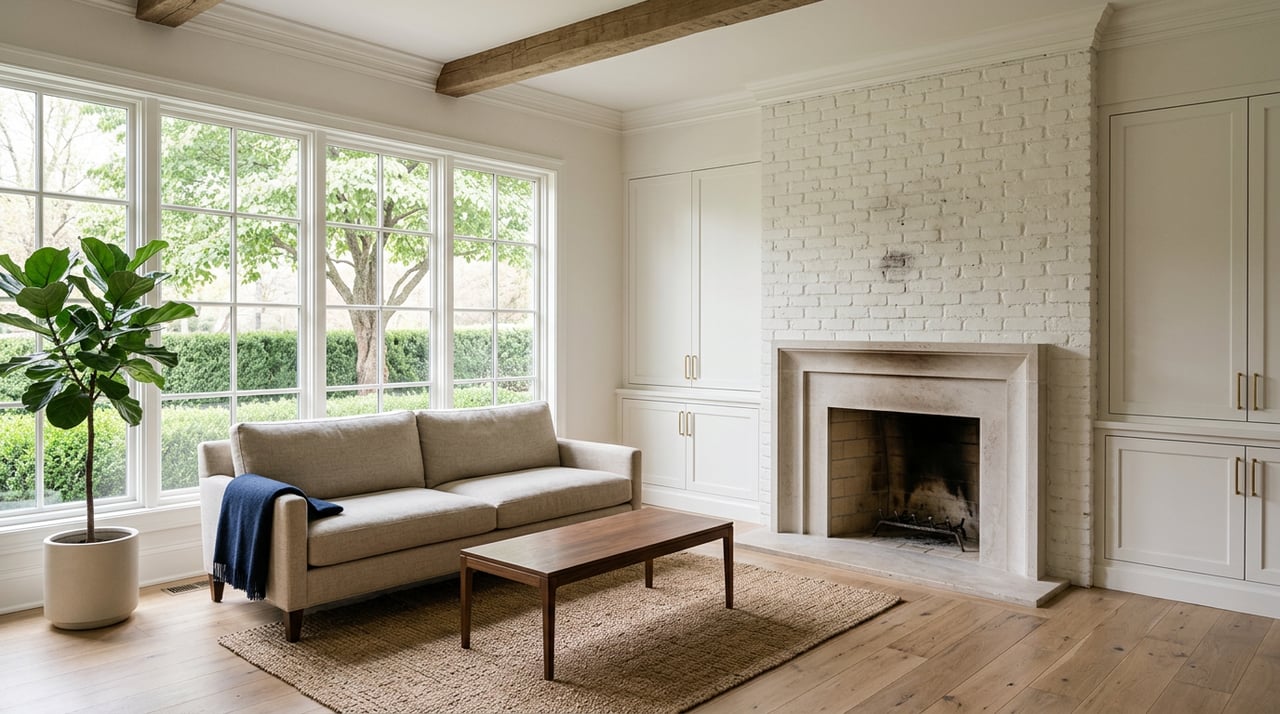
You are not imagining it: in Darien, you often face a true fork in the road. Do you choose a brand‑new home that runs efficiently and needs little right away, or a character home with timeless details on a mature street? With average values around $2.24M, it is a high‑stakes decision that deserves a clear, local lens. In this guide, you will learn how new construction and character homes differ in Darien, what to budget, where to look, and how to protect your investment. Let’s dive in.
New vs character: what you will see
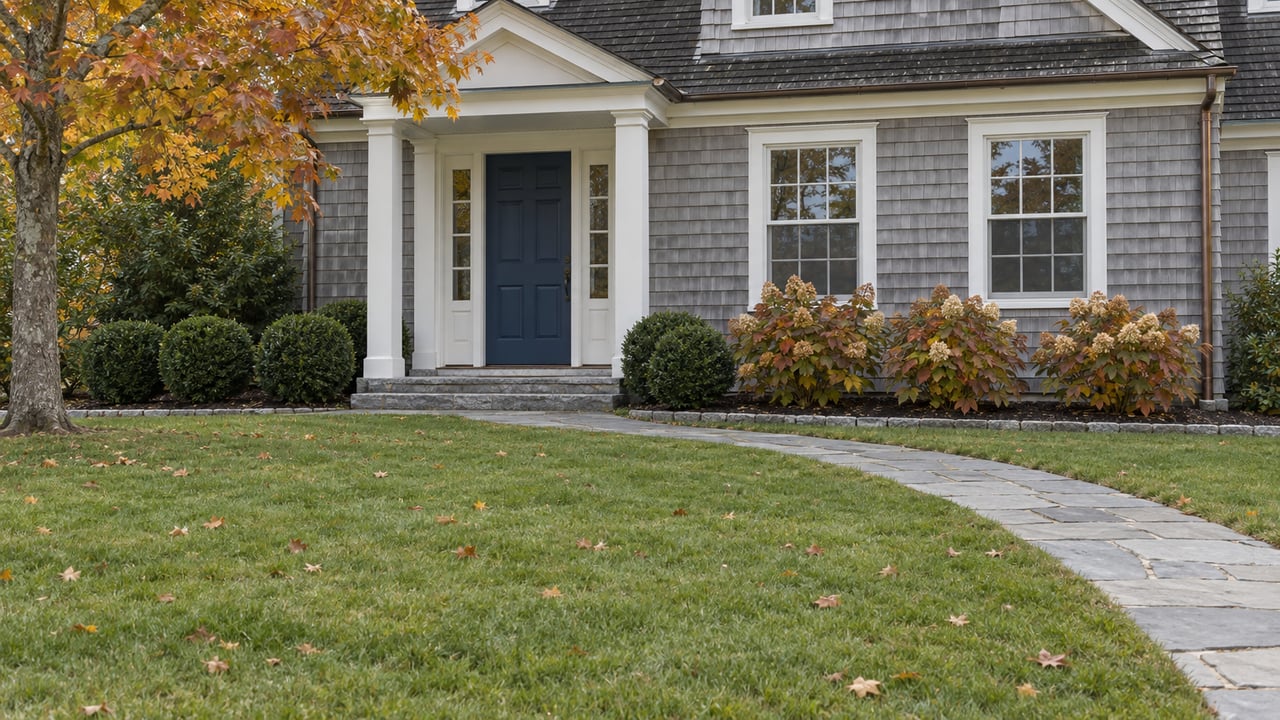
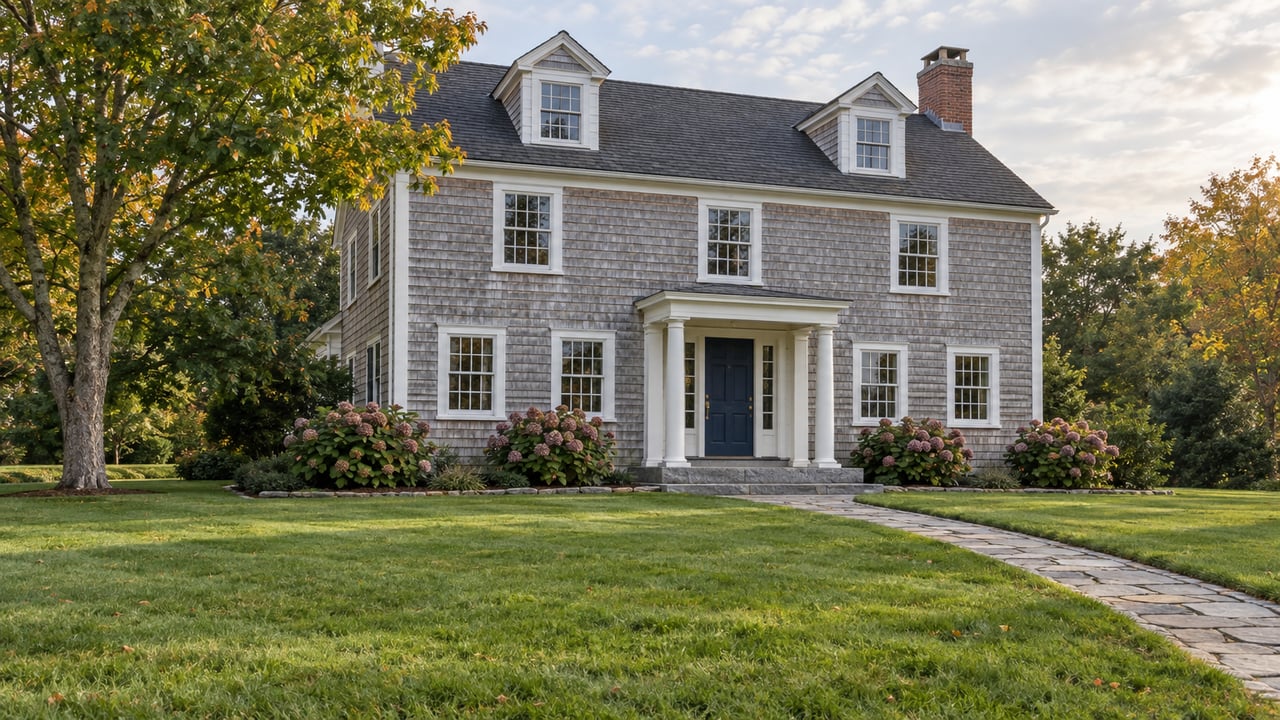
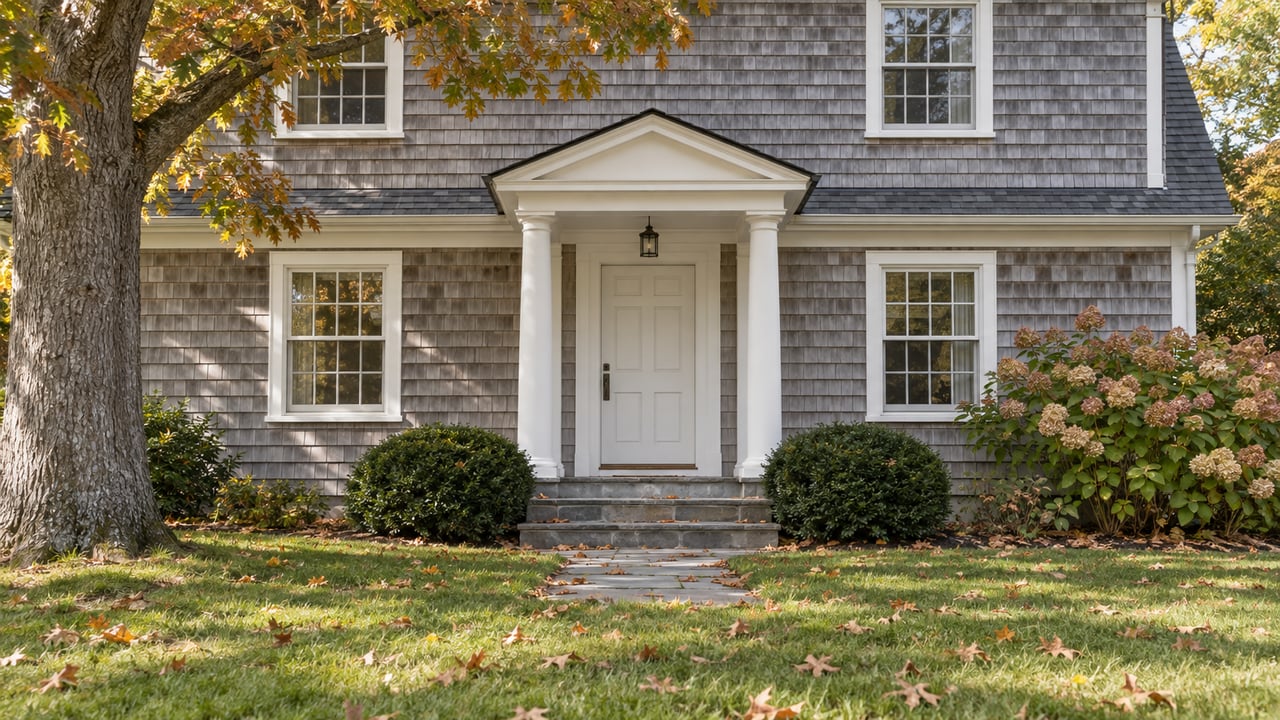
Darien’s housing is a blend of classic New England architecture and fresh builds. You will see Colonial and Colonial‑Revival everywhere, plus Shingle‑style near the coast, Tudor touches on older estates, Cape Cods, and some mid‑century ranches. Many new builds echo these traditional exteriors, so curb appeal can look similar while systems and layouts differ inside.
There is a large base of older homes. Town data that compiles U.S. Census ACS 2019–2023 shows about 30% of Darien’s homes were built in 1939 or earlier, and roughly 48% were built before 1960. That older concentration explains the steady stream of renovations and the frequent tradeoffs you weigh between charm and modern performance. You can review the town’s housing‑age profile in the Darien Official Statement for context and data details at the Town of Darien Official Statement.
Where each type shows up
Character homes cluster in long‑established neighborhoods. You will find them across areas the town references, including Tokeneke, Delafield Island, Noroton, Noroton Heights, Ox Ridge and North Darien, and along streets with 1920s to 1940s homes.
New construction takes a few forms in town: teardown‑and‑rebuild on established lots, infill homes on subdivided parcels, and custom or spec builds on larger inland lots. The town’s permit summary shows how active this has been. In 2023, Darien issued 667 permits totaling about $180.2 million. In 2024, there were 443 permits totaling about $156.4 million. Those large dollar volumes point to significant rebuilds and whole‑house renovations, not just small projects. You can see the permit tables in the Town of Darien Official Statement.
Energy and code differences you feel
If comfort, lower utility costs, and indoor air quality are priorities, pay close attention to code vintage. New homes permitted after October 1, 2022 must meet the 2022 Connecticut State Building Code, which incorporates the 2021 International Energy Conservation Code. That raises the baseline for insulation, window performance, HVAC efficiency, and ventilation. You can review the code overview at the state site for the Connecticut State Building Code.
Older homes often predate modern insulation and mechanical standards. Common upgrades include air‑sealing, adding insulation, replacing or restoring windows with appropriate storm solutions, and moving to high‑efficiency HVAC, including heat pumps. Connecticut’s Energize CT program offers a Home Energy Solutions audit, rebates, and in many cases pre‑registration requirements to unlock the best incentives. Rules and amounts changed over 2024 to 2026, so always check current details through Energize CT’s heat pump and incentives page.
Renovation, permits, and timelines
If you are leaning toward a character home and plan updates, expect a longer timeline. A full interior renovation, or a teardown and rebuild, can take many months to over a year when you include design, approvals, inspections, and build time. Local permitting time varies by scope and season, and coastal or flood‑related overlays can add steps.
Financing differs too. Buyers of new builds or major rebuilds often use construction or single‑close construction‑to‑permanent loans, which typically require stricter documentation and draw inspections compared with standard mortgages. For a consumer‑friendly overview of the process and timelines, see this primer on construction‑to‑permanent loans.
Costs and resale expectations
Budgeting with realistic numbers keeps projects on track. National benchmarks from the 2024 Cost vs Value report estimate a minor kitchen remodel around $27.5k with about 96% of cost typically recouped, while a major kitchen remodel averages about $80k with around 50% recouped. HVAC and electrification projects appear in that dataset with mid‑range costs and moderate recoup rates. In Fairfield County, premium selections and labor can push costs higher than national averages, so build in a local cushion. For current benchmarks, review the Remodeling 2024 Cost vs Value report.
Maintenance and risk checkpoints
Older homes call for extra due diligence. If a property predates 1978, plan for lead‑safe practices during any renovation. EPA Renovation, Repair and Painting rules require certified contractors and specific containment methods when disturbing painted surfaces in older housing. Learn what to expect at the EPA’s consumer page on lead‑safe renovation requirements.
Legacy systems also matter. You may encounter knob‑and‑tube wiring, older electrical panels, cast‑iron plumbing, or buried fuel oil tanks. Insurers and lenders may require remediation, and industry guides note that older homes often carry higher homeowners insurance premiums because of system age and roof life. You can see typical cost patterns in this overview of average homeowners insurance costs.
Darien has roughly 16 miles of shoreline, so flood mapping is relevant. Flood zone placement affects lending, insurance, and permitting for additions or rebuilds. Before you write an offer, look up the parcel’s status on the town’s flood maps and FEMA resources.
New construction usually reduces near‑term maintenance through code‑compliant systems and builder warranties. Still, you should review warranty scope, coverage periods, and whether a third‑party structural warranty is included. Exterior maintenance for larger modern homes can be meaningful, so account for landscaping, hardscape care, and exterior finishes in your annual plan.
Lifestyle and resale: a quick decision guide
If your top priorities are move‑in ready convenience, low short‑term maintenance, open layouts, and strong baseline energy performance, focus on new construction or a recently renovated home permitted after October 1, 2022.
If you value historic architecture, mature trees, and established streets, and you are comfortable investing in systems and envelope upgrades over time, a character home can be the right fit. Expect to plan and budget for energy improvements, potential lead‑safe work, and possible legacy‑system remediation.
For resale, broadly useful improvements such as energy efficiency, exterior refreshes, and thoughtful kitchen or bath updates tend to help. At the same time, over‑customizing can limit your buyer pool. Balance your timeline and lifestyle needs with what the market rewards.
Buyer checklist for Darien homes
Use this list to compare options and stay ahead of surprises:
- Confirm sewer or septic through listing details and town records. Septic adds inspection and maintenance planning.
- Request seller’s permit history and certificates of occupancy or final inspections for major work. You can also ask the Darien Building Inspector’s office for permit records.
- Order a full home inspection that covers roof, foundation, electrical, plumbing, HVAC, and checks for knob‑and‑tube wiring or undocumented fuel oil tanks. Pre‑1978 homes require lead‑safe considerations. Review the EPA’s lead‑safe renovation overview.
- Check FEMA flood maps and local overlays for the property. Start with the town’s flood map page.
- If you plan electrification or a heat pump, schedule an Energize CT Home Energy Solutions audit early so you can pre‑register and stack rebates. See Energize CT incentives.
- If you are buying new construction, verify builder references, warranty documents, and the permit timeline to completion. Confirm whether the project was permitted under the 2022 Connecticut State Building Code. You can reference the state overview of the Connecticut State Building Code.
- For major renovations or a rebuild, discuss construction‑to‑permanent financing with your lender and how draw schedules align with your contractor’s milestones. A clear budget and schedule reduce change orders.
How I help you decide
There is no one‑size‑fits‑all answer, and that is the point. The right Darien home is the one that supports your lifestyle today and preserves flexibility for tomorrow. As a local advisor with two decades of experience, I help you compare neighborhoods, review permit histories, model renovation versus new‑build budgets, and line up resources so you can move forward with confidence.
If you want a thoughtful, data‑driven search that fits your timeline, reach out to Stephanie O'Grady for a complimentary market consultation.
FAQs
What counts as a “character home” in Darien?
- In Darien, many homes built before 1960 show Colonial, Shingle, Tudor, or Cape Cod details, with roughly 30% built in 1939 or earlier according to the town’s housing‑age data.
How do permits reflect new construction activity in Darien?
- Town permit tables show strong activity, including about 667 permits totaling $180.2 million in 2023 and 443 permits totaling $156.4 million in 2024, which signals major renovations and rebuilds.
What energy upgrades matter most in older Darien homes?
- Air‑sealing, added insulation, window improvements, and high‑efficiency HVAC such as heat pumps are common, and you can explore rebates through Energize CT’s programs.
How long does a teardown‑to‑new build usually take?
- Plan for many months to over a year from design through inspections and completion, with schedules influenced by permitting, scope, and financing steps tied to construction‑to‑permanent loans.
Are coastal homes in Darien likely to need flood insurance?
- Many coastal neighborhoods fall within mapped FEMA flood zones, so check the parcel’s status on the town’s flood map page and confirm insurance and permitting implications.
What should I ask a builder about new‑home warranties?
- Request warranty documents, coverage periods for systems and structure, and whether a third‑party structural warranty is included, then confirm how claims are handled and for how long.