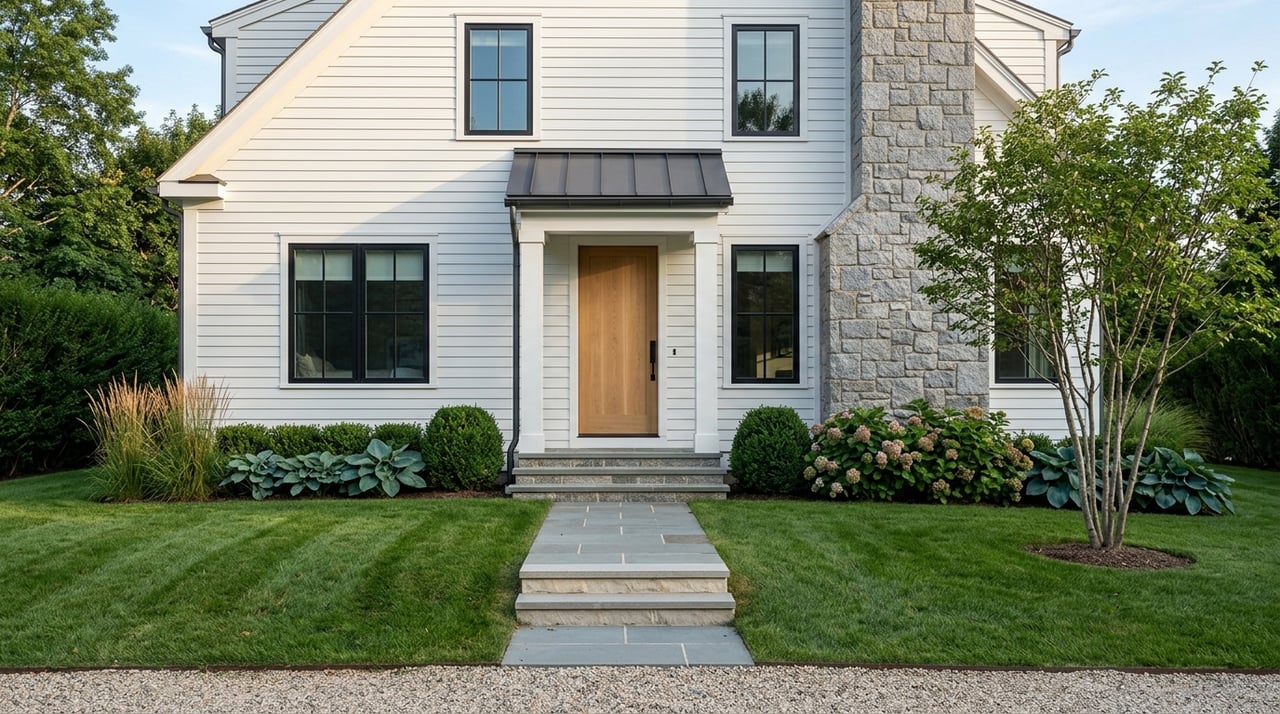
Wondering why two homes in Darien can feel completely different even when they sit just minutes apart? In this market, architecture shapes far more than curb appeal. It affects how you move through the house, how much upkeep you take on, and even what you need to know about the lot itself. If you are trying to decide between charm, convenience, and long-term fit, this guide will help you understand the home styles you are most likely to see in Darien. Let’s dive in.
Why home style matters in Darien
Darien is a coastal Long Island Sound town with a housing pattern shaped by the railroad, Boston Post Road, Interstate 95, and a long preference for low-density single-family neighborhoods. The town’s draft 2026 Plan of Conservation & Development describes much of Darien as detached single-family homes on partially wooded lots, with higher-density redevelopment focused near Downtown and Noroton Heights.
That setting helps explain why home style matters so much here. Darien has 7,675 housing units, and Census Reporter places the median owner-occupied home value at $1,822,400. In a market like this, layout, lot setting, and architectural character often play a major role in how buyers compare one property to another.
Darien’s housing backdrop
Darien’s housing mix did not happen by accident. The town’s 2022 Affordable Housing Plan explains that zoning pushed most residential areas toward one dwelling per lot, while apartment and mixed-use development concentrated near the train stations and Boston Post Road.
For you as a buyer, that means the house style and the site itself often go together. In one- and two-acre zones, many homes rely on on-site wells and septic systems, while denser areas are more likely to have public water and sewer. A beautiful exterior matters, but so do the systems supporting daily life.
Colonial and Colonial Revival homes
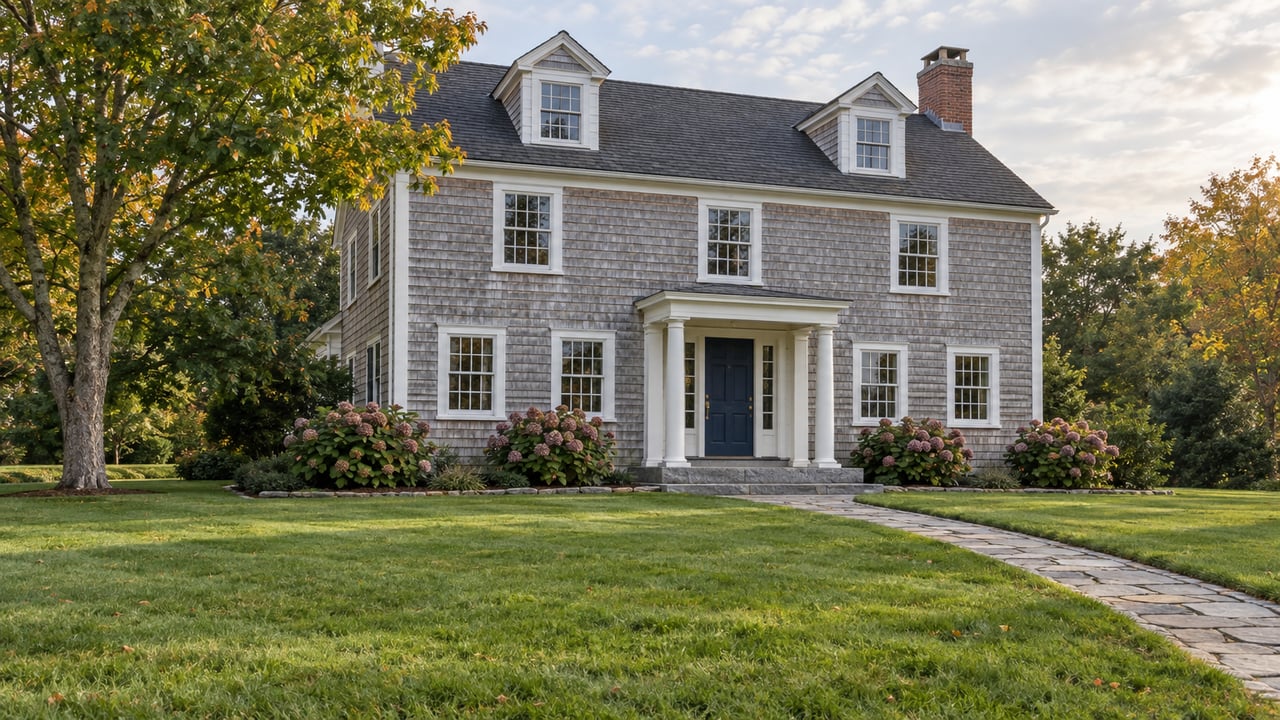
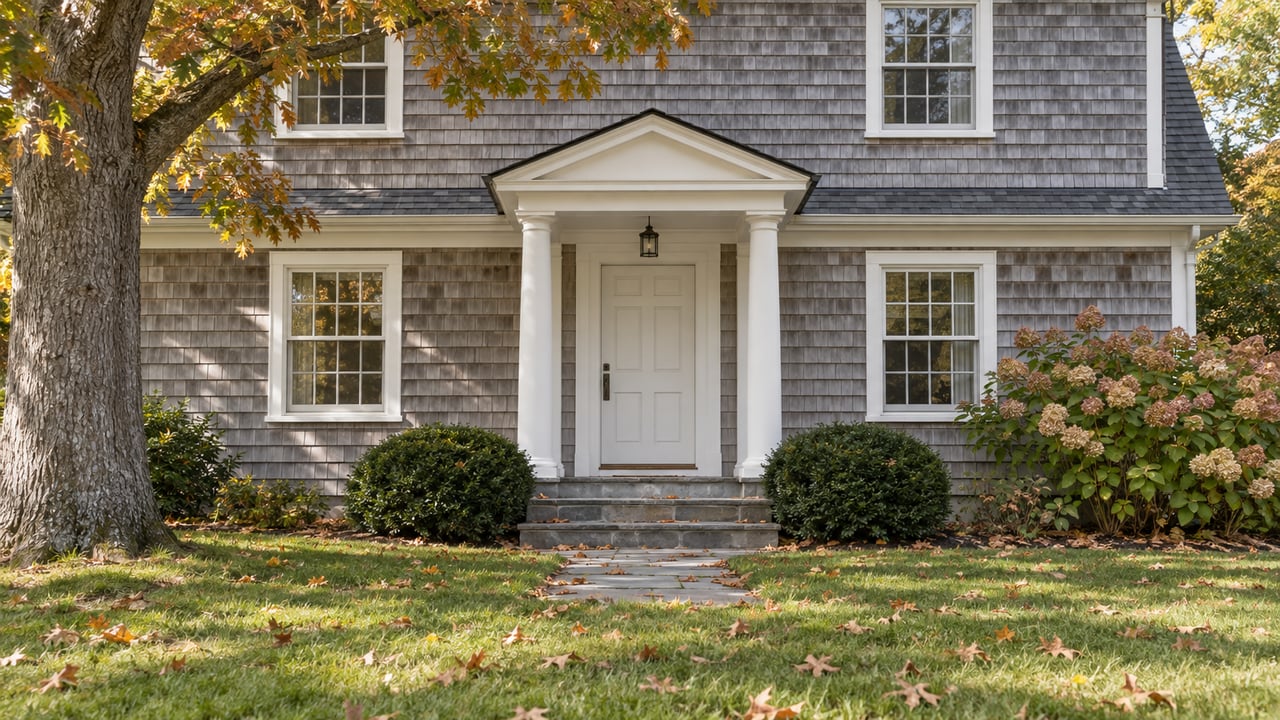
Classic Colonials are one of the defining looks in Darien. This broad category often includes Georgian, Colonial Revival, and Cape-influenced homes, with features like symmetrical facades, centered front entries, aligned windows, and multi-pane sash.
These homes usually feel traditional and organized. You may find a clear front hall, more defined rooms, and a layout that separates formal and casual spaces more than a newer home would. That structure appeals to buyers who like a recognizable New England look and a floor plan that can be updated over time without losing its character.
How Colonial homes live
A Colonial often creates a strong sense of arrival. The entry is usually central, and rooms tend to branch off in an orderly way. If you like defined dining and living spaces rather than one large open area, this style may feel comfortable right away.
Later Colonial Revival homes can offer a bit more flexibility. They often keep the classic symmetry outside while allowing for more open interiors than older historic precedents. That can give you a balance of tradition and modern function.
What to watch with older Colonials
When you tour an older Colonial in Darien, look beyond the facade. Roof age, window condition, and the quality of later additions can make a big difference, especially if those additions interrupt the original symmetry of the house.
You should also pay attention to the lot and infrastructure. In lower-density areas, site systems may matter just as much as the architecture itself. Ask whether the home uses public utilities or on-site well and septic systems, and make sure those details fit your comfort level.
Coastal cottages and shingle-style homes
If you picture Darien as a shoreline town first, this is the category many buyers are drawn to. “Coastal cottage” is not a strict architectural label, but locally it often refers to smaller, relaxed shoreline homes that may be shingle-influenced or summer-home in character.
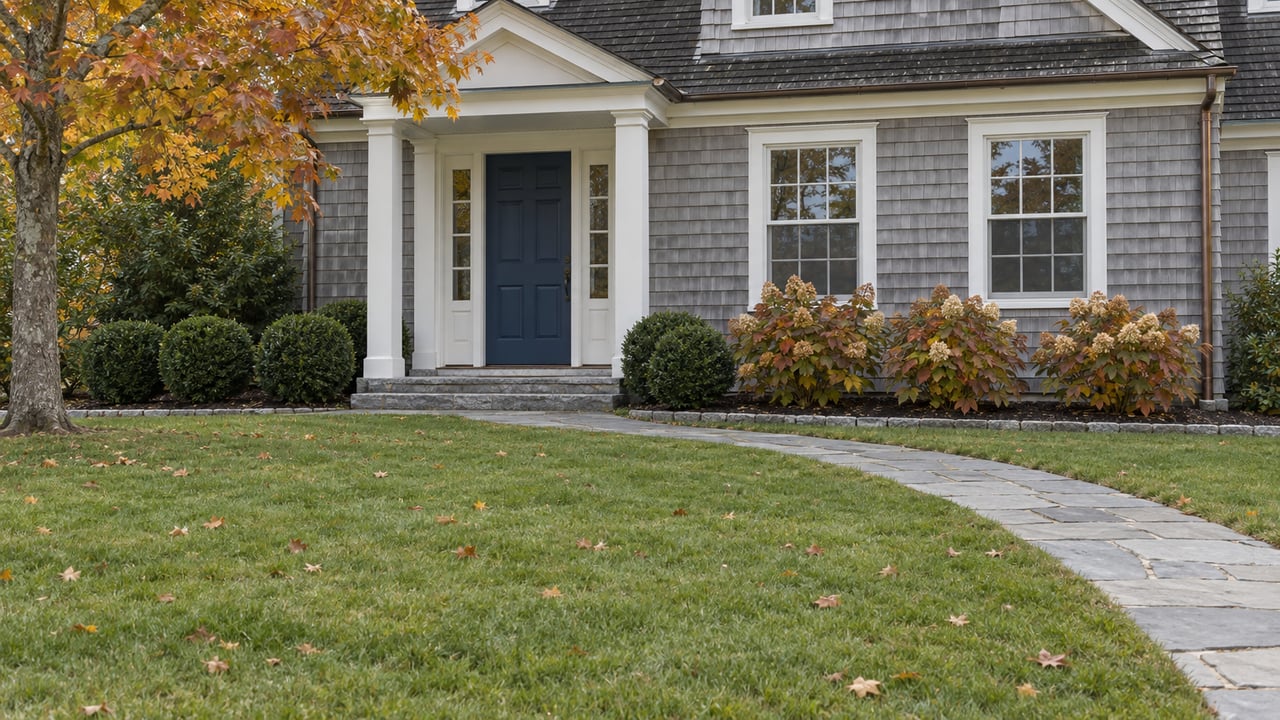
Darien’s history helps explain their appeal. The town notes that summer homes were built in places such as Tokeneke, Long Neck Point, and Noroton, and Shingle Style architecture became especially associated with northeastern seaside settings. Common features include wood shingles, porches, irregular rooflines, and asymmetrical forms.
How coastal homes feel day to day
These homes often feel more casual than a Colonial. Porches, verandas, and outdoor connections tend to play a larger role, and the interior may feel more relaxed and less formal.
If you want a water-adjacent lifestyle or a house that feels easy for entertaining, this style can be a strong fit. It often appeals to buyers who care as much about the feeling of the home as they do about square footage or strict symmetry.
What to watch near the shoreline
Shoreline beauty comes with practical questions. In Darien, coastal properties may require extra attention to moisture, storm exposure, drainage, and flood planning.
Wood cladding and porch details can also mean more exterior upkeep than you might expect in a newer home. The town’s planning framework specifically points to issues like flood elevation, impervious coverage, floodplains, and septic systems as important parts of site design and regulation.
Mid-century and postwar homes
Darien also has homes tied to its postwar suburban growth. The town’s history notes that the Connecticut Turnpike came through in the mid-1950s, and zoning in the 1940s and 1950s pushed much of Darien toward single-family use.
This category can include ranch homes and other mid-century designs. These houses are often lighter and less formal in feel than a traditional Colonial, with an emphasis on practical circulation, natural light, and simpler everyday living.
Why buyers like mid-century homes
If you prefer a more casual layout, a mid-century or postwar home may feel easier to live in. These properties often trade ceremony for function, which can be appealing if you want comfort and flexibility over a more traditional floor plan.
They can also offer renovation potential. Buyers who appreciate clean lines, larger windows, or a more modern look often see opportunity in this part of Darien’s housing stock.
What to inspect carefully
Because many of these homes are now several decades old, condition matters. Roofing, windows, insulation, and the quality of past additions should all be reviewed carefully.
Lot infrastructure also remains part of the picture. As with older Colonials, homes in one- and two-acre zones may rely on wells and septic systems, so the house itself is only part of the decision.
New construction and recent rebuilds
For buyers who want updated systems and a more current layout, new construction and recent rebuilds are an important part of Darien’s market. The draft 2026 POCD identifies major redevelopment projects in areas such as the Corbin District, Darien Commons, and Heights Crossing, while noting that higher-density change is largely focused around Downtown and Noroton Heights.
Outside those clusters, much of Darien remains primarily single-family. That means newer homes may appear as individual rebuilds within established neighborhoods rather than only in brand-new communities.
What new builds typically offer
Newer homes often prioritize contemporary flow, updated mechanical systems, and less immediate maintenance. Stylistically, they may borrow from Colonial Revival traditions or lean toward cleaner contemporary design, rather than strictly copying one historic style.
For many buyers, the appeal is simple. You get a home designed for current living patterns, often with more open gathering spaces and fewer near-term repair concerns.
What matters most in newer homes
With new construction, age is not the main question. Quality is. Pay attention to grading, drainage, building envelope details, mechanical systems, and how well the house fits the lot.
That last point matters in Darien because the town is balancing change with preservation of its low-density residential character. A newer house may have all the right finishes, but it should also feel appropriate for its setting.
How to choose the right style for you
The best home style is the one that matches the way you actually live. In Darien, style affects room flow, maintenance, and your relationship to the lot as much as it affects appearance from the street.
A Colonial or Colonial Revival home may suit you if you like defined spaces and a traditional feel. A coastal cottage or shingle-style home may make sense if you want a relaxed shoreline character and strong indoor-outdoor living. A mid-century home may be right if you prefer light, simplicity, and a less formal plan. A new build may be the answer if updated systems and current layouts are at the top of your list.
Questions to ask early
Before you narrow your search, it helps to answer a few practical questions:
- Do you prefer formal rooms or a more open layout?
- Do you want a shoreline feel or a more traditional neighborhood setting?
- How much exterior and site maintenance are you comfortable with?
- Are you willing to manage wells or septic systems if the property requires them?
- Do you want historic character, newer convenience, or a mix of both?
The clearer you are on these points, the easier it becomes to sort through Darien’s wide range of homes with confidence.
Final thoughts on Darien home styles
Darien offers more variety than many buyers expect. From classic Colonials to relaxed coastal homes, from postwar ranches to polished new builds, each style brings a different living experience and a different set of practical considerations.
If you are buying or selling in Darien, understanding those differences can help you make a smarter decision and see value more clearly. For tailored guidance on how specific home styles fit your goals in Darien, reach out to Stephanie O'Grady for a complimentary market consultation.
FAQs
What are the most common home styles in Darien, CT?
- In Darien, you are most likely to see Colonial and Colonial Revival homes, coastal cottages and shingle-style houses, mid-century and postwar homes, plus new construction and recent rebuilds.
What should buyers know about older homes in Darien?
- Buyers should look closely at roof age, windows, additions, insulation, and whether the property relies on well and septic systems, especially in lower-density zones.
What makes coastal homes in Darien different from inland homes?
- Coastal homes in Darien often feel more casual and outdoor-oriented, but they may also involve added concerns such as moisture, drainage, storm exposure, flood planning, and exterior upkeep.
Are new builds in Darien mostly located near downtown?
- Darien’s planning documents say higher-density redevelopment is concentrated near Downtown and Noroton Heights, though newer rebuilds can also appear within established single-family neighborhoods.
How does home style affect daily living in Darien?
- Home style can shape how formal or open a floor plan feels, how much maintenance you take on, and what site factors, such as drainage or septic systems, may affect daily ownership.
What is the median home value in Darien, CT?
- Census Reporter places Darien’s median owner-occupied home value at $1,822,400.