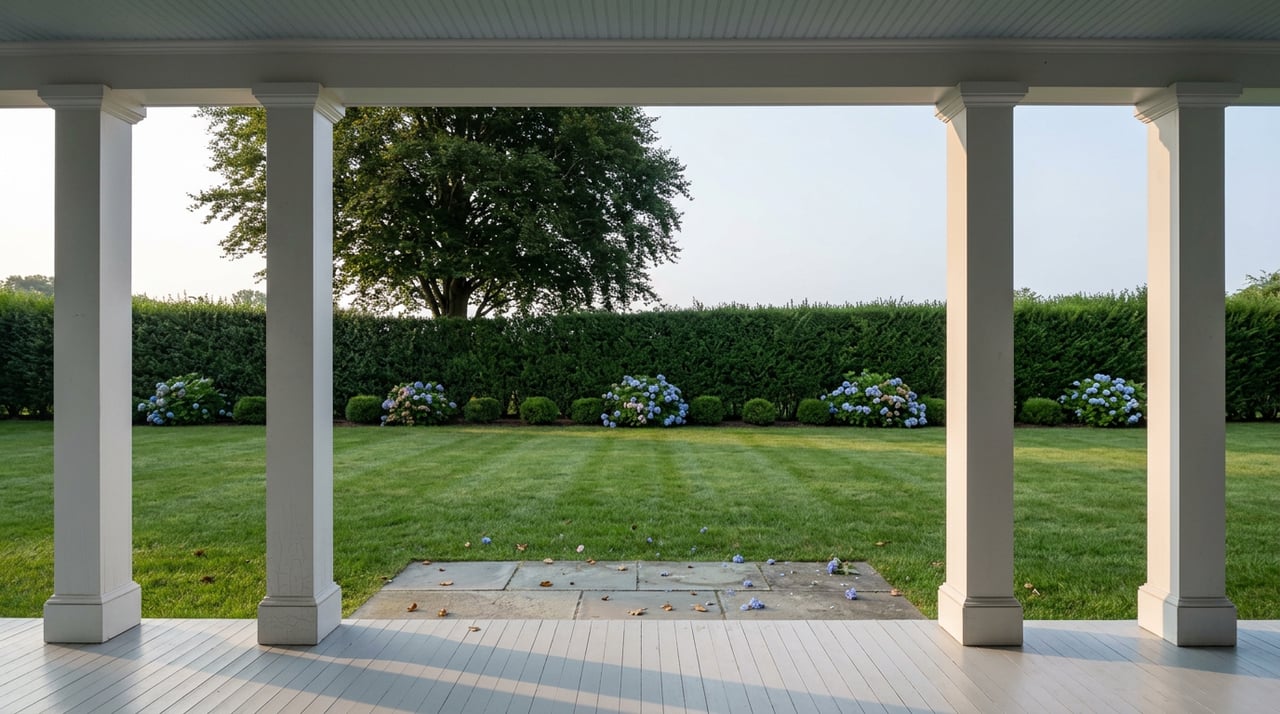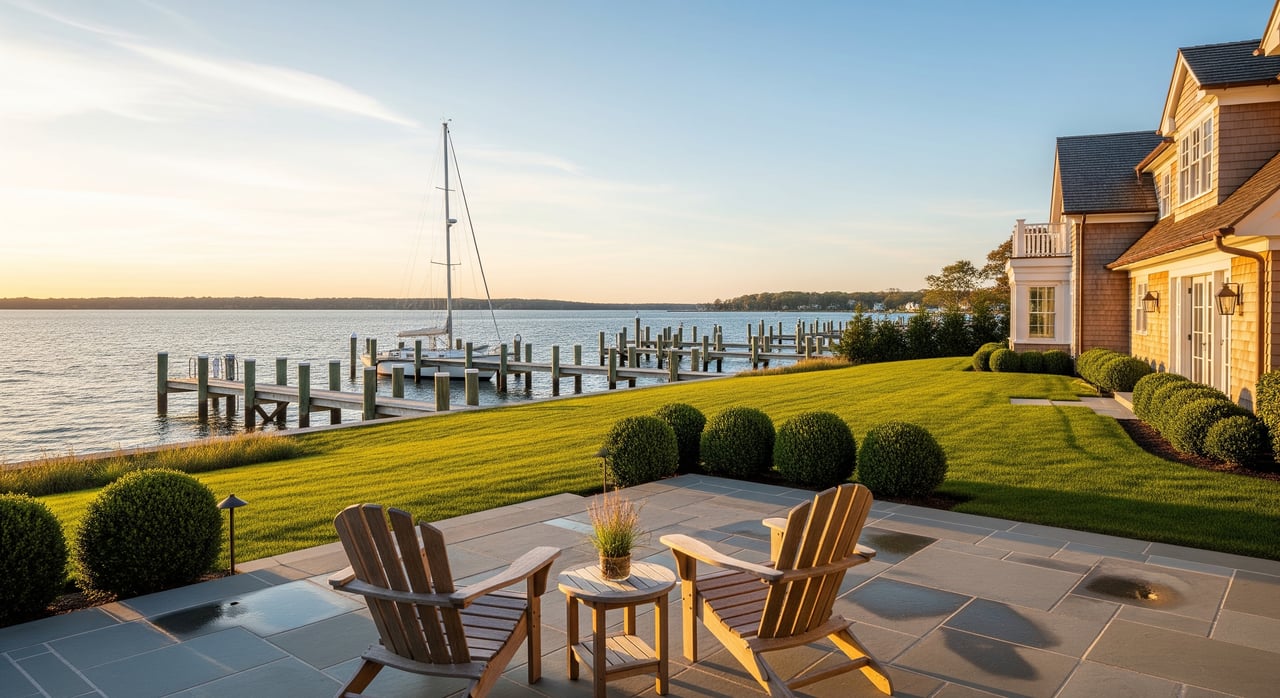
What if your mornings started with sea air, soft light over the water, and a quick glance at the tide chart before you pour coffee? If you are considering a move from the city or a second home on the Connecticut coast, life on Darien’s stretch of Long Island Sound can reshape your daily routine in the best ways. In this guide, you will learn how commuting, recreation, maintenance, and even errands look when the Sound is part of your backyard. You will also see the practical steps to assess flood risk, permits, and seasonal rhythms so you can move forward with confidence. Let’s dive in.
Waterfront options in Darien
Darien’s waterfront is diverse. You will find homes with direct Sound frontage, riverfront properties along tidal estuaries, and residences on coves that share moorings or access points. There are also homes a short walk from public beaches and parks that provide Sound access. Access can vary by neighborhood and ownership, so you will want to confirm what comes with a specific property.
The community includes both full-time residents and second-home owners. Many are professionals who commute to New York City or work in Fairfield County. If you are relocating for the lifestyle, it helps to know how the water shapes day-to-day plans year-round.
Commute and schedules
Many Darien residents rely on the Metro-North New Haven Line for weekday travel to Manhattan. Typical express trips to Grand Central Terminal often fall in the 50 to 70 minute range, depending on service. If you drive, you will use I-95, the Merritt Parkway, and local roads. Summer beach activity can add time to local drives and to station parking, especially at peak hours.
Some boat owners plan short runs to nearby marinas or neighboring towns. When you travel by water, you will balance departures with tides and daylight, and you will follow seasonal marina and launch hours.
Quick planning tips:
- Check current train timetables and station parking rules before you commit to a routine.
- Build a summer buffer for school drop-offs, beach traffic, and station parking.
- If you use a boat for errands or short hops, keep an eye on tide charts and seasonal marina schedules.
Recreation on the Sound
Boating and sailing are major lifestyle anchors. Many residents enjoy small powerboats, center consoles, and day sailers for cruising and weekend regattas. Social life often follows the weather, with dockside gatherings and impromptu evening rides when the Sound is calm.
Beach time is a summer staple. Public beaches and parks see the highest use in July and August, and lifeguards are typically on duty during the season at staffed locations. Weekends can be busy, so locals go early or late to avoid peak mid-day crowds.
Fishing and shellfishing are part of the rhythm as well. Recreational fishing from shore and boat is common throughout the warmer months. Shellfishing for clams and oysters follows state health advisories, seasonal rules, and local closures. You will want to follow guidance from the Connecticut Department of Energy and Environmental Protection and local health authorities before you go.
Simple summer routine ideas:
- Early paddle or walk along the water for sunrise views and quiet time.
- Mid-morning beach hours when lifeguards are on duty and the tide is favorable.
- Afternoon boating windows, with an eye on wind and thunderstorms.
- Sunset grilling at home or waterside dining nearby when crowds thin.
Everyday services and logistics
Waterfront homes require specific maintenance. Expect periodic seawall or bulkhead inspections, dock upkeep, and extra care for exterior finishes exposed to salt. Boat owners plan for winterization in the fall and commissioning in the spring.
Local dining and shops are active year-round with summer peaks. You may notice seasonal hours for waterfront venues in the off-season. Families who live here full-time often balance school schedules, after-school programs, and beach or boat time. Summer camps and youth sailing programs tend to fill quickly, so early registration is a smart move.
Utility and service considerations vary by property. Some homes use municipal sewer while others rely on septic systems. Stormwater drainage and, for boaters, responsible disposal of marine waste are routine planning items.
Flood risk and insurance
Coastal ownership requires a clear view of risk and cost. Many waterfront properties fall in FEMA flood zones such as AE or VE. You will want to review FEMA Flood Insurance Rate Maps and confirm the base flood elevation for a property. A recent elevation certificate helps you and your insurer understand the structure’s elevation relative to flood levels.
Flood insurance is often required in higher-risk zones. Many owners use National Flood Insurance Program policies, and some compare private flood coverage. Rates depend on the exact zone, elevation, and any recent FEMA map updates. Premiums can change over time in higher-risk areas.
Storm surge can raise water levels during coastal storms and nor’easters, especially when timing aligns with high tide. For a long-term view, federal and state projections show rising mean sea levels and higher extreme water levels under many scenarios. If you plan to hold the property for a long time, use NOAA and state planning resources to understand risk horizons.
Buyer checklist for risk and insurance:
- Ask for the most recent elevation certificate and past flood claims history if available.
- Verify the current FEMA flood zone and base flood elevation for the address.
- Get quotes from NFIP and private flood insurers so you can compare terms.
- Ask about mitigation improvements that could affect premiums and resilience.
Permits, docks, and moorings
On the Connecticut coast, structures such as private docks, moorings, seawalls, and boathouses typically require permits. The state administers coastal permits, and the Town of Darien applies local zoning, wetland, and harbormaster rules. If dock rights are important to you, verify the status of any existing structures and the feasibility of new work before you close.
Town harbormaster offices usually manage moorings, launch permits, and seasonal slip logistics. There is often an application and fee process, and some lists have seasonal capacity or wait times. Environmental protection rules guide erosion control, setbacks, and tidal wetland impacts. Living shorelines and hard bulkheads follow different regulatory paths and costs.
Steps to confirm water access:
- Ask the seller for any recorded permits, approvals, or association covenants that reference water access.
- Contact the Town and state permit offices to confirm what is allowed at the specific site.
- Speak with the harbormaster about mooring capacity, application steps, and seasonal timing.
Costs to plan for
Beyond your mortgage and general upkeep, coastal ownership creates a few common line items:
- Dock or mooring maintenance, including seasonal install and removal when required.
- Seawall or bulkhead inspections and periodic repair cycles.
- Exterior maintenance for salt exposure, including paint, trim, and hardware.
- Boat storage, winterization, and commissioning costs if you own a vessel.
- Potential changes in assessments or insurance costs after FEMA map updates.
A clear, upfront budget will help you enjoy the lifestyle without surprises.
Seasonal rhythms
Summer is peak season. Beaches, boating, restaurants, and day traffic are most active in July and August. Waterfront neighborhoods often plan casual gatherings and club calendars where clubs exist. Expect longer days, a full social schedule, and prime boating windows.
Fall and spring bring fewer crowds and great conditions for walking, biking, and sailing. Fall is busy for winterization and shoreline prep, and spring brings dock installs and yard cleanup. Nor’easters can arrive in shoulder months, so locals watch the tide when planning cleanups and small repairs.
Winter is quiet and restorative. Many marinas and waterfront services reduce hours or close for the season. Some full-time residents appreciate the calm for reading, projects, and brisk waterfront walks. Boats are usually stored on land, and homeowners keep an eye on storm preparedness and ice conditions.
How to choose the right fit
Start by clarifying how you want to use the water. If daily boating is a must, confirm dock or mooring access and the practicality of launch times at your location. If you care more about beach walks and views, a home near public shoreline access may fit best without the same maintenance.
Next, match your commute preferences to the neighborhood. If you are a rail commuter, evaluate station access, train schedules, and parking rules. If you split time between the city and weekends in Darien, focus on easy routes from the highway and a maintenance plan that works for a second home.
Finally, calibrate your risk and cost outlook. Understanding flood zones, elevation, and insurance helps you avoid surprises. Reviewing permit pathways before you buy gives you a clear plan for docks, seawalls, or shoreline improvements.
If you want guidance built around your routine and goals, work with a local advisor who lives this lifestyle every day. For a thoughtful, high-touch process from search to closing, connect with Stephanie O'Grady. You will get clear answers, a strategy that fits your commute and recreation plans, and local insights that make waterfront living smooth and enjoyable.
FAQs
How long is the NYC commute from Darien?
- Typical express trains on the Metro-North New Haven Line often run about 50 to 70 minutes to Grand Central Terminal, depending on service.
What types of Darien water access exist?
- Options range from direct Long Island Sound frontage and riverfront homes to properties on tidal coves with shared moorings, plus homes near public beaches and parks.
Do I need flood insurance for a waterfront home?
- Many waterfront properties fall within FEMA flood zones, and lenders often require flood insurance; premiums depend on zone, elevation, and map updates.
Can I build or extend a dock on my property?
- Most shoreline structures require state coastal permits and local approvals; confirm feasibility with Connecticut DEEP, Town permitting, and the harbormaster before you buy.
How busy are Darien beaches in summer?
- July and August bring the highest use, with lifeguards typically on duty in season at staffed beaches and peak crowds on weekends and mid-day.
What does seasonal maintenance look like for waterfront homes?
- Expect fall boat winterization, spring dock installation, seawall inspections, and extra exterior care due to salt exposure, along with routine yard and drainage upkeep.